Camilla Pena
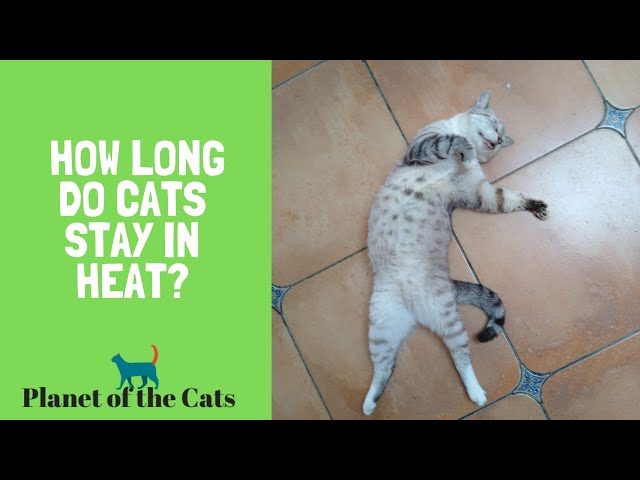
 Estrus, also known as being “in season” or “in heat,” refers to the period when female cats are receptive to mating. During this time, they exhibit specific behaviors and physiological changes to attract male cats.
The estrus cycle in cats typically lasts for 7-10 days, although it can vary depending on the individual cat and other factors such as breed, age, and health. The cycle begins with proestrus, which is a relatively short phase characterized by subtle behavioral changes and the development of follicles in the ovaries. This is followed by estrus, which is the most fertile phase of the cycle and when the cat is most actively seeking a mate. During estrus, the cat will display behaviors such as vocalizing, rubbing against objects, and adopting a lordosis posture (arching her back and lifting her hindquarters) to facilitate mating.
After estrus, the cycle progresses to diestrus, which is a longer phase during which the corpus luteum develops in the ovary. If the cat does not become pregnant, the corpus luteum will eventually regress and the cycle will start again. However, if the cat does become pregnant, the corpus luteum will continue to produce progesterone, which will maintain the pregnancy.
how long do cats stay in season
Understanding the duration and characteristics of a cat’s estrus cycle is crucial for responsible pet ownership and breeding practices.
- Duration: 7-10 days
- Frequency: Every 2-3 weeks
- Signs: Vocalization, rubbing, lordosis
- Importance: Reproduction
- Breeds: Variation in cycle length
- Age: Earlier onset in certain breeds
- Health: Hormonal imbalances can affect cycle
The duration of a cat’s estrus cycle can vary depending on factors such as breed, age, and health. Certain breeds, like the Siamese, are known to have shorter cycles, while others, like the Maine Coon, may have longer cycles. Additionally, a cat’s age can influence the length and regularity of her estrus cycles, with younger cats typically having shorter cycles that become longer and less frequent as they age. Health conditions, such as hormonal imbalances or reproductive disorders, can also affect the estrus cycle, making it irregular or even absent.
Duration
The duration of a cat’s estrus cycle, typically lasting 7-10 days, plays a critical role in understanding “how long do cats stay in season”. This specific time frame:
- Facilitates Mating: The 7-10 day duration allows sufficient time for the cat to attract and mate with a male cat, ensuring successful reproduction.
- Hormonal Regulation: The hormonal changes during these days regulate the cat’s reproductive behavior, including vocalization, increased affection, and the adoption of a lordosis posture.
- Breed Variability: While the average duration is 7-10 days, variations exist among different cat breeds. Understanding these variations is essential for breeders and cat owners in anticipating and managing the estrus cycle.
- Health Implications: Abnormally short or long estrus cycles may indicate underlying health issues, such as hormonal imbalances or reproductive disorders. Monitoring the duration can help identify potential health concerns.
Comprehending the duration of a cat’s estrus cycle is vital for responsible breeding practices, ensuring the well-being of cats, and preventing unwanted litters.
Frequency
The frequency of a cat’s estrus cycle, occurring every 2-3 weeks, is closely linked to “how long do cats stay in season” and plays a vital role in feline reproduction and behavior.
- Reproductive Readiness: The 2-3 week interval between estrus cycles ensures that female cats are regularly receptive to mating and can reproduce throughout their reproductive lifespan.
- Hormonal Regulation: This frequency is regulated by hormonal fluctuations, primarily involving estrogen and progesterone, which orchestrate the transitions between different stages of the estrus cycle.
- Breed Variability: While most cats experience estrus every 2-3 weeks, breed-specific variations exist. Understanding these differences is essential for breeders and owners in managing reproductive schedules and preventing unwanted litters.
- Health Monitoring: Abnormally short or long intervals between estrus cycles may indicate underlying health issues, such as hormonal imbalances or reproductive disorders. Regular monitoring can help identify potential health concerns.
The frequency of a cat’s estrus cycle is not only a biological phenomenon but also has significant implications for responsible cat ownership, breeding practices, and veterinary care. By understanding this aspect, cat owners and breeders can make informed decisions regarding mating, reproductive health, and the overall well-being of their feline companions.
Signs
The distinctive signs of vocalization, rubbing, and lordosis exhibited by female cats during estrus provide valuable insights into “how long do cats stay in season” and the underlying physiological and behavioral changes associated with this period.
-
Vocalization:
During estrus, cats produce a distinctive vocalization often described as a loud, plaintive cry. This vocalization serves as a signal to attract male cats and indicate their receptiveness to mating. -
Rubbing:
Female cats in estrus frequently rub their bodies against objects, people, and other cats. This behavior is primarily driven by hormonal changes and is a way for the cat to distribute pheromones, further attracting potential mates. -
Lordosis:
Lordosis is a characteristic posture adopted by female cats during estrus. They arch their backs, lift their hindquarters, and tread with their front paws. This posture facilitates mating by providing optimal positioning for the male cat.
The presence and duration of these signs can vary among individual cats and can also provide clues about the stage of the estrus cycle. Understanding these signs is essential for cat owners and breeders in recognizing when a cat is in season and making informed decisions regarding breeding, spaying, or other reproductive management options.
Importance
The duration of a cat’s estrus cycle is inextricably linked to its reproductive function, playing a critical role in the perpetuation of the feline species.
-
Ensuring Fertilization:
The 7-10 day duration of the estrus cycle allows sufficient time for the cat to mate and become pregnant. This period aligns with the optimal fertility window, increasing the chances of successful fertilization. -
Hormonal Regulation:
The hormonal fluctuations during the estrus cycle, particularly the rise in estrogen levels, trigger the behavioral and physiological changes associated with being in season. These changes promote mating and prepare the female cat’s body for pregnancy. -
Reproductive Success:
The regular occurrence of estrus cycles every 2-3 weeks provides multiple opportunities for female cats to reproduce throughout their reproductive lifespan, contributing to the survival and genetic diversity of cat populations. -
Breed Continuity:
The duration and frequency of estrus cycles vary among different cat breeds. Understanding these breed-specific variations is essential for preserving and perpetuating distinct feline breeds.
In summary, the duration of a cat’s estrus cycle is intricately connected to reproduction, ensuring fertilization, regulating hormonal changes, facilitating reproductive success, and contributing to breed continuity.
Breeds
The duration of a cat’s estrus cycle can vary depending on breed, which plays a significant role in understanding “how long do cats stay in season”.
-
Early Onset:
Certain breeds, such as Siamese and Oriental Shorthairs, are known to have earlier onset of estrus cycles, typically around 4-6 months of age. This earlier maturity means that these cats may have more frequent estrus cycles throughout their lifetime. -
Extended Duration:
Breeds like Maine Coons and Norwegian Forest Cats tend to have longer estrus cycles, lasting up to 10-14 days. This extended period allows for a more prolonged window of receptivity for mating. -
Breed-Specific Patterns:
Different breeds exhibit unique patterns in their estrus cycles. For instance, some breeds may have more frequent cycles during certain seasons, while others may have more consistent intervals throughout the year. -
Genetic Influences:
The variation in estrus cycle length among breeds is influenced by genetic factors. Selective breeding practices over generations have contributed to the establishment of breed-specific reproductive traits.
Understanding breed-related variations in estrus cycle length is essential for responsible cat ownership and breeding practices. It helps predict the timing and frequency of estrus, enabling informed decisions regarding mating, spaying, or other reproductive management strategies.
Age
The age at which cats reach sexual maturity and begin experiencing estrus cycles varies depending on breed. Understanding this variability is crucial for responsible cat ownership and breeding practices.
-
Genetic Predisposition:
Certain breeds, such as Siamese and Oriental Shorthairs, are genetically predisposed to earlier onset of estrus cycles. These cats may start experiencing estrus as early as 4-6 months of age. -
Environmental Factors:
While genetics play a significant role, environmental factors can also influence the age of onset. Proper nutrition, adequate sunlight exposure, and overall health can contribute to earlier sexual maturity in some cats. -
Implications for Breeders:
Breeders must consider the earlier onset of estrus in certain breeds when planning breeding programs. Early spaying or neutering may be necessary to prevent unwanted pregnancies and potential health risks associated with early breeding. -
Responsible Ownership:
Cat owners of breeds known for earlier estrus onset should be aware of the potential for early pregnancies. Taking proactive measures, such as supervised interactions with other cats and timely spaying or neutering, can help prevent unplanned litters.
In conclusion, the age at which cats experience estrus cycles can vary depending on breed and other factors. Understanding these variations empowers cat owners and breeders to make informed decisions regarding reproductive management, ensuring the health and well-being of their feline companions.
Health
The duration and regularity of a cat’s estrus cycle can be significantly influenced by hormonal imbalances. Understanding this connection is crucial for responsible cat ownership and effective reproductive management.
Hormonal imbalances can disrupt the delicate hormonal interplay that regulates the estrus cycle. For instance, abnormally high levels of estrogen can lead to persistent estrus, a condition known as constant estrus or continuous heat. In this state, the cat remains receptive to mating for an extended period, which can have detrimental effects on her health and well-being.
Conversely, low levels of progesterone, another key hormone involved in the estrus cycle, can result in irregular or shortened cycles. This can make it challenging to predict when a cat is receptive to mating, leading to difficulties in breeding or preventing unwanted pregnancies.
Identifying and addressing hormonal imbalances that affect the estrus cycle is essential for maintaining a cat’s reproductive health. Veterinary professionals can perform blood tests to assess hormone levels and prescribe appropriate treatments, such as hormone supplements or medications, to restore hormonal balance and regulate the estrus cycle.
Responsible cat owners should be aware of the potential impact of hormonal imbalances on their cat’s estrus cycle. Regular veterinary check-ups and monitoring of the cat’s reproductive behavior can help detect any abnormalities early on, allowing for timely intervention and appropriate management.
FAQs on “How Long Do Cats Stay in Season”
Understanding the duration and characteristics of a cat’s estrus cycle is essential for responsible pet ownership and breeding practices. Here are some frequently asked questions and answers to provide further insights:
Question 1: How long does a cat typically stay in season?
Answer: The average duration of a cat’s estrus cycle is 7-10 days, although it can vary depending on the individual cat, breed, age, and health.
Question 2: How often do cats go into heat?
Answer: Cats typically experience estrus cycles every 2-3 weeks, with some breeds having more frequent cycles and others having less frequent cycles.
Question 3: Can the duration of a cat’s estrus cycle change over time?
Answer: Yes, the duration of a cat’s estrus cycle can change as she ages or if there are underlying health conditions.
Question 4: What are the signs that a cat is in heat?
Answer: Signs of estrus in cats include vocalization, rubbing against objects, and adopting a lordosis posture (arching their backs and lifting their hindquarters).
Question 5: How can I prevent my cat from getting pregnant if she is in heat?
Answer: Spaying your cat is the most effective way to prevent pregnancy. Other methods, such as keeping her indoors and away from unneutered male cats, can also be helpful.
Question 6: Should I be concerned if my cat’s estrus cycle seems abnormal?
Answer: Yes, any abnormalities in the duration, frequency, or signs of your cat’s estrus cycle should be discussed with your veterinarian, as they may indicate an underlying health condition.
Understanding these FAQs can help cat owners and breeders better manage their cats’ reproductive health and make informed decisions about spaying, breeding, and other reproductive care.
Transition to the next article section:
To explore additional aspects of cat estrus cycles, continue reading the comprehensive article below.
Tips on Understanding “How Long Do Cats Stay in Season”
Understanding the duration and characteristics of a cat’s estrus cycle is crucial for responsible pet ownership and breeding practices. Here are some practical tips to enhance your knowledge and effectively manage your cat’s reproductive health:
Tip 1: Observe Your Cat’s Behavior
Pay attention to changes in your cat’s behavior during estrus. Signs such as increased vocalization, rubbing against objects, and adopting a lordosis posture indicate that she is in heat.
Tip 2: Keep a Record of Cycles
Track the duration and frequency of your cat’s estrus cycles. This will help you predict when she is most likely to be receptive to mating or at risk of pregnancy.
Tip 3: Consult with a Veterinarian
If you notice any abnormalities in your cat’s estrus cycle, such as irregular timing or excessive bleeding, consult with your veterinarian. Underlying health conditions may require medical attention.
Tip 4: Consider Spaying
Spaying your cat is the most effective way to prevent unwanted pregnancies and eliminate the risk of certain reproductive health issues. Discuss this option with your veterinarian to determine the best time for the procedure.
Tip 5: Provide a Safe Environment
During estrus, keep your cat indoors and away from unneutered male cats to prevent accidental mating. Supervise her interactions with other animals and provide a comfortable and stress-free environment.
Tip 6: Educate Yourself
Continuously educate yourself about cat estrus cycles and reproductive health. Read reliable sources, attend veterinary consultations, and stay updated on the latest advancements in feline reproductive care.
Tip 7: Responsible Breeding Practices
If you are considering breeding your cat, ensure that both the male and female cats are healthy and free from genetic disorders. Plan the breeding carefully and provide proper care throughout the pregnancy and kitten rearing process.
Summary
Understanding “how long do cats stay in season” involves observing your cat’s behavior, keeping records, and seeking veterinary advice when necessary. Responsible cat ownership includes spaying or neutering, providing a safe environment, and educating yourself about feline reproductive health. By following these tips, you can effectively manage your cat’s estrus cycles and ensure their overall well-being.
Transition to the article’s conclusion
In conclusion, understanding the duration of a cat’s estrus cycle is essential for responsible cat ownership and breeding practices. By applying these tips and working closely with your veterinarian, you can ensure the reproductive health and well-being of your feline companion.
Conclusion
In summary, the duration of a cat’s estrus cycle, typically lasting 7-10 days with a frequency of every 2-3 weeks, plays a vital role in feline reproduction. Understanding the variations in cycle length among breeds, the influence of age and health, and the potential impact of hormonal imbalances is crucial for responsible cat ownership and breeding practices.
By observing behavioral signs, keeping records, consulting with veterinarians, and considering spaying or neutering, cat owners can effectively manage their cats’ reproductive health. Responsible breeding practices, coupled with a commitment to providing a safe and supportive environment for cats during estrus, contribute to the well-being and longevity of feline companions.
Youtube Video: