Camilla Pena
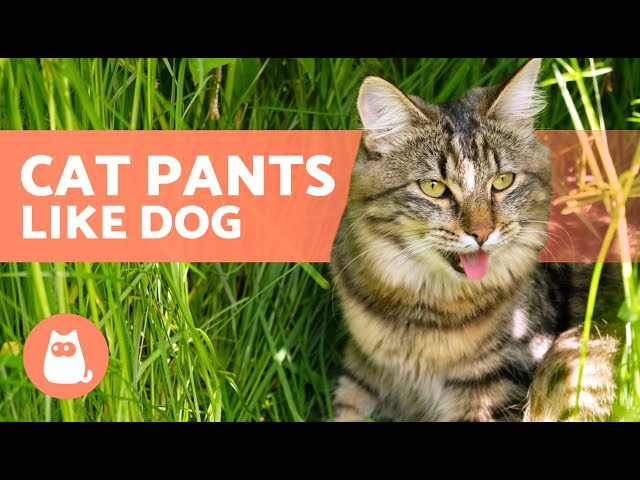
 Cats pant for a variety of reasons, including thermoregulation, stress, and respiratory distress. While panting is not typically a sign of serious illness in cats, it is important to be aware of the potential causes and to seek veterinary attention if your cat is panting excessively or if you are concerned about their health.
Thermoregulation: Cats pant to cool down when they are hot. Panting helps to evaporate saliva from the tongue and mouth, which creates a cooling effect. Cats may also pant if they are overweight or if they have a thick coat of fur, as these factors can make it more difficult for them to stay cool.
Stress: Cats may also pant when they are stressed or anxious. This is often seen in cats that are new to a home or that have been exposed to a stressful event, such as a car ride or a visit to the veterinarian. Panting can be a sign that your cat is feeling overwhelmed or uncomfortable, and it is important to try to identify and address the source of their stress.
Respiratory distress: Panting can also be a sign of respiratory distress in cats. This is often seen in cats that have asthma, heart disease, or other respiratory problems. If your cat is panting excessively and you are concerned that they may be experiencing respiratory distress, it is important to seek veterinary attention immediately.
If you are concerned about your cat’s panting, it is important to take them to the veterinarian for a checkup. The veterinarian will be able to determine the cause of your cat’s panting and recommend the appropriate treatment.
Why Do Cats Pant?
Panting is a normal behavior in cats, but it can also be a sign of a medical problem. Here are six key aspects to consider when trying to determine why your cat is panting:
- Thermoregulation: Cats pant to cool down when they are hot.
- Stress: Cats may also pant when they are stressed or anxious.
- Respiratory distress: Panting can also be a sign of respiratory distress in cats.
- Pain: Cats may pant if they are in pain.
- Nausea: Cats may pant if they are nauseous.
- Shock: Cats may pant if they are in shock.
If your cat is panting excessively or if you are concerned about their health, it is important to take them to the veterinarian for a checkup. The veterinarian will be able to determine the cause of your cat’s panting and recommend the appropriate treatment.
In some cases, panting can be a sign of a serious medical condition, such as respiratory distress or shock. If your cat is panting excessively and you are concerned about their health, it is important to seek veterinary attention immediately.
Thermoregulation
Panting is a normal behavior in cats, and it is one of the ways that they cool down when they are hot. Cats do not sweat like humans do, so panting is an important way for them to regulate their body temperature.
- Causes of overheating in cats: Cats can overheat for a variety of reasons, including being exposed to high temperatures, exercising too much, or being overweight.
- Signs of overheating in cats: In addition to panting, signs of overheating in cats can include drooling, lethargy, and rapid breathing.
- How to help a cat that is overheating: If you think your cat is overheating, it is important to take steps to cool them down. You can do this by placing them in a cool bath or shower, or by applying a cool compress to their head and neck. You can also offer them cool water to drink.
- Preventing overheating in cats: There are a few things you can do to help prevent your cat from overheating, including providing them with plenty of fresh water, keeping them indoors during hot weather, and avoiding exercising them too much during the hottest part of the day.
By understanding the role of panting in thermoregulation, cat owners can help their cats stay cool and comfortable during hot weather.
Stress
In the context of “why do cats pant,” stress is a significant factor that can trigger panting behavior. When a cat experiences stress or anxiety, its sympathetic nervous system activates the release of stress hormones such as cortisol and adrenaline. These hormones prepare the cat’s body for a fight-or-flight response, which includes increased heart rate, dilated pupils, and panting.
- Environmental stressors: Cats may pant due to environmental stressors such as loud noises, changes in routine, or unfamiliar people or animals.
- Social stressors: Social stressors, such as conflicts with other cats or being introduced to new pets, can also induce panting in cats.
- Medical stressors: Underlying medical conditions, such as pain or illness, can cause stress and lead to panting in cats.
- Behavioral stressors: Certain behaviors, such as excessive grooming or hiding, can indicate stress in cats and may be accompanied by panting.
Understanding the connection between stress and panting in cats is crucial for cat owners to recognize and address the underlying causes of their cat’s panting behavior. By providing a stress-free and supportive environment, owners can help minimize stress-induced panting and contribute to their cat’s overall well-being.
Respiratory distress
Respiratory distress is a serious condition that can affect cats of all ages and breeds. It is characterized by difficulty breathing, which can be caused by a variety of underlying medical conditions. Panting is a common sign of respiratory distress in cats, and it is important to be aware of the potential causes so that you can seek veterinary attention promptly.
- Asthma: Asthma is a chronic respiratory condition that causes inflammation and narrowing of the airways. This can make it difficult for cats to breathe, and it can lead to panting.
- Heart disease: Heart disease can also lead to respiratory distress in cats. When the heart is not able to pump blood effectively, fluid can build up in the lungs. This can make it difficult for cats to breathe, and it can lead to panting.
- Pneumonia: Pneumonia is an infection of the lungs. It can be caused by bacteria, viruses, or fungi. Pneumonia can make it difficult for cats to breathe, and it can lead to panting.
- Pleurisy: Pleurisy is an inflammation of the lining of the lungs. It can be caused by a variety of underlying medical conditions, including pneumonia, heart disease, and cancer. Pleurisy can make it difficult for cats to breathe, and it can lead to panting.
If you notice that your cat is panting excessively, it is important to take them to the veterinarian for a checkup. The veterinarian will be able to determine the cause of your cat’s panting and recommend the appropriate treatment.
Pain
Pain is a common cause of panting in cats. When a cat is in pain, it may pant to try to relieve the discomfort. Panting can help to increase blood flow to the injured area and to reduce inflammation.
- Types of pain that can cause panting in cats: Cats may pant if they are experiencing pain from a variety of sources, including injuries, arthritis, and cancer.
- Signs of pain in cats: In addition to panting, cats may show other signs of pain, such as limping, hiding, and decreased appetite.
- How to help a cat that is in pain: If you think your cat is in pain, it is important to take them to the veterinarian for a checkup. The veterinarian will be able to determine the cause of your cat’s pain and recommend the appropriate treatment.
By understanding the connection between pain and panting in cats, you can help your cat get the treatment they need to relieve their discomfort.
Nausea
Nausea is a common cause of panting in cats. When a cat is nauseous, it may pant to try to relieve the discomfort. Panting can help to increase salivation and to reduce stomach acid, which can help to relieve nausea.
- Causes of nausea in cats: Cats may experience nausea for a variety of reasons, including eating spoiled food, eating too quickly, or having a gastrointestinal infection.
- Signs of nausea in cats: In addition to panting, cats may show other signs of nausea, such as vomiting, drooling, and decreased appetite.
- How to help a cat that is nauseous: If you think your cat is nauseous, it is important to take them to the veterinarian for a checkup. The veterinarian will be able to determine the cause of your cat’s nausea and recommend the appropriate treatment.
By understanding the connection between nausea and panting in cats, you can help your cat get the treatment they need to relieve their discomfort.
Shock
Shock is a life-threatening condition that can occur when a cat’s body is unable to get enough oxygen and nutrients. Shock can be caused by a variety of factors, including blood loss, dehydration, and severe infection. Panting is a common sign of shock in cats, as it is a way for the body to try to increase oxygen intake.
- Causes of shock in cats: Shock can be caused by a variety of factors, including blood loss, dehydration, and severe infection.
- Signs of shock in cats: In addition to panting, cats may show other signs of shock, such as pale gums, a rapid heart rate, and weak pulse.
- Treatment for shock in cats: Treatment for shock in cats will depend on the underlying cause. However, it is important to seek veterinary attention immediately if you think your cat is in shock.
By understanding the connection between shock and panting in cats, you can help your cat get the treatment they need to survive.
FAQs on “Why Do Cats Pant?”
This section addresses frequently asked questions about why cats pant, providing concise and informative answers to common concerns or misconceptions.
Question 1: Is panting always a sign of distress in cats?
Answer: Panting can be a normal response to heat or stress, but excessive or persistent panting may indicate an underlying medical issue and requires veterinary attention.
Question 2: Why do cats pant when they are hot?
Answer: Panting helps cats cool down by evaporating saliva from their tongue and mouth, creating a cooling effect.
Question 3: Can stress cause panting in cats?
Answer: Yes, cats may pant when experiencing stress or anxiety, such as during car rides or vet visits.
Question 4: What are some medical conditions that can cause panting in cats?
Answer: Panting can be a symptom of respiratory distress, pain, nausea, or shock, and may indicate underlying health issues that require veterinary diagnosis and treatment.
Question 5: When should I be concerned about my cat’s panting?
Answer: Excessive or persistent panting, especially if accompanied by other symptoms such as lethargy, difficulty breathing, or vomiting, warrants immediate veterinary attention.
Question 6: How can I prevent panting due to heat stress in my cat?
Answer: Provide ample fresh water, keep cats indoors during hot weather, avoid strenuous activity during peak heat hours, and consider using cooling devices like fans or air conditioning.
Summary: Understanding the various reasons why cats pant can help cat owners recognize potential health issues and provide appropriate care. While occasional panting can be normal, excessive or persistent panting should not be ignored and may indicate the need for veterinary consultation.
Transition to the next article section: For further insights into cat panting and its implications, please refer to the comprehensive article on “Why Do Cats Pant?”
Tips to Address Panting in Cats
Understanding the causes of panting in cats is essential for providing appropriate care. Here are some tips to help you address this behavior:
Tip 1: Observe and Monitor Panting PatternsMonitor your cat’s panting frequency, duration, and intensity. Excessive or persistent panting, especially when accompanied by other symptoms, requires veterinary attention.Tip 2: Provide a Cool and Comfortable EnvironmentIf panting is due to heat stress, provide your cat with a cool and well-ventilated space. Offer plenty of fresh water and consider using cooling devices like fans or air conditioning.Tip 3: Reduce Stressful SituationsIdentify and minimize potential stressors for your cat. Create a calm and predictable environment, avoid sudden changes, and provide hiding places or safe spaces.Tip 4: Rule Out Medical ConditionsIf panting persists or is accompanied by other symptoms, consult a veterinarian to rule out underlying medical conditions. Respiratory distress, pain, nausea, or shock require prompt diagnosis and treatment.Tip 5: Seek Veterinary AdviceWhen in doubt, always seek professional guidance. Veterinarians can accurately diagnose the cause of panting and provide appropriate treatment or management strategies.Summary: By following these tips, cat owners can better understand and address panting in their feline companions. Regular observation, a comfortable environment, stress reduction, and prompt veterinary care can help ensure the well-being and comfort of our furry friends.Transition to the article’s conclusion: For further insights and comprehensive information, please refer to the full article on “Why Do Cats Pant?”
Conclusion
Panting, while a normal behavior in cats, can also signal underlying health issues or discomfort. By exploring the various causes of panting, we gain a deeper understanding of our feline companions’ well-being. This article has shed light on thermoregulation, stress, respiratory distress, pain, nausea, and shock as potential factors contributing to panting behavior.
As responsible cat owners, it is crucial to recognize excessive or persistent panting and seek veterinary attention promptly. Veterinary professionals can accurately diagnose the underlying cause and provide appropriate treatment or management strategies. By understanding the nuances of panting in cats, we can ensure their comfort, health, and overall quality of life. Ongoing research and advancements in veterinary medicine will continue to enhance our knowledge and ability to address this behavior effectively.
Youtube Video: