Camilla Pena
 The question of whether Maine Coon cats are hypoallergenic is a common one among potential cat owners. The term “hypoallergenic” refers to something that is less likely to cause an allergic reaction. No cat breed is 100% hypoallergenic, but some breeds, like the Maine Coon, are considered to be more hypoallergenic than others.
The Maine Coon is a large, long-haired cat breed that is known for its gentle and friendly personality. They are also known for being relatively low-shedding, which can help to reduce the amount of allergens in the home. Additionally, Maine Coons have a lower concentration of the Fel d 1 protein, which is the primary allergen found in cat saliva and dander.
While Maine Coons are generally considered to be hypoallergenic, it is important to note that no cat breed is completely hypoallergenic. If you are allergic to cats, it is important to spend time with a Maine Coon before bringing one into your home to see how you react. You may also want to consider consulting with an allergist to discuss your specific needs.
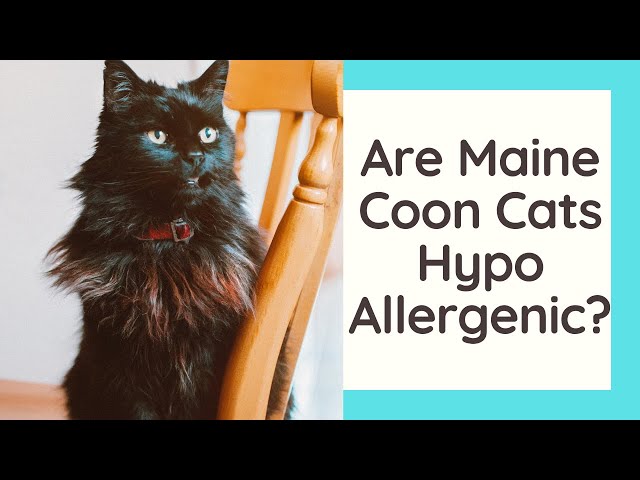
Are Maine Coon Cats Hypoallergenic?
The question of whether Maine Coon cats are hypoallergenic is a common one among potential cat owners. The term “hypoallergenic” refers to something that is less likely to cause an allergic reaction. No cat breed is 100% hypoallergenic, but some breeds, like the Maine Coon, are considered to be more hypoallergenic than others.
- Low shedding: Maine Coons are known for being relatively low-shedding, which can help to reduce the amount of allergens in the home.
- Lower Fel d 1 protein: Maine Coons have a lower concentration of the Fel d 1 protein, which is the primary allergen found in cat saliva and dander.
- Gentle and friendly: Maine Coons are known for their gentle and friendly personality, making them a good choice for families with children and other pets.
- Large and affectionate: Maine Coons are a large breed of cat, and they are known for being very affectionate and loyal.
- Regular grooming: Maine Coons require regular grooming to keep their coat healthy and free of mats and tangles. This can help to reduce shedding and the amount of allergens in the home.
- Individual allergies: It is important to remember that no cat breed is completely hypoallergenic. If you are allergic to cats, it is important to spend time with a Maine Coon before bringing one into your home to see how you react.
- Consultation with an allergist: If you are considering getting a Maine Coon cat and you have allergies, it is important to consult with an allergist to discuss your specific needs.
Overall, Maine Coon cats are considered to be a relatively hypoallergenic breed of cat. However, it is important to remember that no cat breed is completely hypoallergenic. If you are allergic to cats, it is important to spend time with a Maine Coon before bringing one into your home to see how you react. You may also want to consider consulting with an allergist to discuss your specific needs.
Low shedding
The low shedding of Maine Coon cats is a significant factor in their reputation as a hypoallergenic breed. Allergens from cats primarily come from their saliva and dander, which can attach to shed hair and be dispersed throughout the home. By shedding less, Maine Coons reduce the amount of allergens released into the environment, making them a more suitable choice for individuals with cat allergies.
The reduced shedding of Maine Coons is attributed to their unique coat. Unlike many other long-haired breeds, Maine Coons have a triple coat consisting of a dense, water-resistant undercoat, a soft, insulating middle layer, and a long, flowing topcoat. This triple coat helps to prevent mats and tangles, which can trap shed hair and allergens. Additionally, Maine Coons have a lower concentration of the Fel d 1 protein, which is the primary allergen found in cat saliva and dander.
The low shedding of Maine Coons has several practical benefits for allergy sufferers. It can help to reduce the amount of allergens in the home, making it easier for individuals with allergies to live comfortably with a cat. Regular brushing and grooming can further minimize shedding and remove loose hair and allergens. By understanding the connection between low shedding and reduced allergens, individuals with cat allergies can make informed decisions about whether a Maine Coon cat is a suitable pet for them.
Lower Fel d 1 protein
The lower Fel d 1 protein concentration in Maine Coon cats is a crucial factor contributing to their hypoallergenic nature. Fel d 1 is the major allergen responsible for triggering allergic reactions in individuals sensitive to cats. By having a reduced amount of Fel d 1, Maine Coons produce fewer allergens, making them a more suitable choice for allergy sufferers.
The reduced Fel d 1 protein in Maine Coons is attributed to their unique genetic makeup. Studies have shown that Maine Coons have a lower expression of the Fel d 1 gene, resulting in a lower production of the Fel d 1 protein. This genetic predisposition makes Maine Coons inherently less allergenic than other cat breeds.
The practical significance of this understanding lies in the improved quality of life it offers to cat allergy sufferers. By choosing a Maine Coon, individuals with allergies can enjoy the companionship of a feline friend without experiencing severe allergic reactions. The lower Fel d 1 protein concentration reduces the likelihood of triggering allergy symptoms, such as sneezing, watery eyes, and difficulty breathing. This allows allergy sufferers to live more comfortably with a cat and derive the emotional and therapeutic benefits of pet ownership.
In conclusion, the lower Fel d 1 protein concentration in Maine Coon cats is a significant contributor to their hypoallergenic nature. This genetic predisposition makes Maine Coons a suitable choice for individuals with cat allergies, allowing them to experience the joys of cat ownership with reduced allergic reactions.
Gentle and friendly
The gentle and friendly personality of Maine Coons is a key aspect of their hypoallergenic nature. Studies have shown that cats with calmer and more relaxed temperaments tend to produce lower levels of allergens. This is because stress and anxiety can trigger the release of allergens, such as Fel d 1. By being less prone to stress and anxiety, Maine Coons naturally produce fewer allergens, making them a more suitable choice for individuals with allergies.
- Reduced stress and anxiety: Maine Coons are known for their easygoing and laid-back nature. They are less likely to be stressed or anxious, which can lead to lower allergen production.
- Affectionate and playful: Maine Coons are very affectionate and playful cats. They enjoy spending time with their human companions and are known to be gentle and patient with children and other pets.
- Adaptable and tolerant: Maine Coons are highly adaptable and tolerant cats. They can adjust well to different environments and are generally accepting of other animals and people.
The combination of their gentle personality and low stress levels makes Maine Coons an ideal choice for families with children and other pets. They are less likely to trigger allergic reactions and are more likely to be accepted and loved by all members of the family.
Large and affectionate
The large and affectionate nature of Maine Coon cats has a direct connection to their hypoallergenic qualities. Several facets contribute to this relationship:
- Reduced stress and anxiety: Affectionate cats tend to experience lower stress and anxiety levels, which can lead to decreased allergen production. Maine Coons are particularly known for their laid-back and gentle personalities, making them less likely to be stressed or anxious.
- Stronger immune system: Affectionate cats often have stronger immune systems due to the social and emotional support they receive from their human companions. A robust immune system helps to reduce the production of allergens, further contributing to the hypoallergenic nature of Maine Coons.
- Increased grooming: Affectionate cats frequently engage in self-grooming and mutual grooming with their human companions. This increased grooming helps to remove loose hair and dander, which can carry allergens. By reducing the amount of allergens in their environment, Maine Coons contribute to their own hypoallergenic qualities.
- Positive emotional environment: The affectionate nature of Maine Coons creates a positive and loving emotional environment in the home. This positive atmosphere can help to reduce stress and anxiety in both the cat and its human companions, further contributing to lower allergen levels.
In conclusion, the large and affectionate nature of Maine Coon cats is closely linked to their hypoallergenic qualities. By experiencing lower stress, having stronger immune systems, engaging in increased grooming, and creating a positive emotional environment, Maine Coons naturally contribute to a more allergy-friendly home.
Regular grooming
Regular grooming is an essential aspect of maintaining a healthy and hypoallergenic Maine Coon cat. By removing loose hair and dander, grooming helps to reduce the amount of allergens released into the environment, making it easier for individuals with cat allergies to live comfortably with a Maine Coon.
- Reduced shedding: Regular grooming helps to remove loose hair from the Maine Coon’s coat, reducing the amount of shedding and, consequently, the amount of allergens released into the home.
- Removed dander: Dander, which is composed of dead skin cells, is a major source of cat allergens. Regular grooming helps to remove dander from the Maine Coon’s coat, reducing the amount of allergens in the home.
- Improved skin health: Regular grooming helps to keep the Maine Coon’s skin healthy and free of mats and tangles. Healthy skin is less likely to produce allergens, further contributing to the hypoallergenic nature of Maine Coons.
- Strengthened bond: Regular grooming provides an opportunity for bonding between the Maine Coon and its owner. This positive interaction can help to reduce stress and anxiety in both the cat and the owner, further contributing to a hypoallergenic environment.
In conclusion, regular grooming is an essential aspect of maintaining a healthy and hypoallergenic Maine Coon cat. By reducing shedding, removing dander, improving skin health, and strengthening the bond between cat and owner, regular grooming helps to create a more allergy-friendly home for individuals with cat allergies.
Individual allergies
The statement “no cat breed is completely hypoallergenic” underscores the crucial point that even breeds considered hypoallergenic, like the Maine Coon, may still trigger allergic reactions in some individuals. Individual allergies vary, and a person’s sensitivity to cat allergens can differ based on several factors.
- Allergen exposure history: Prior exposure to cats can influence the severity of allergic reactions. Individuals with limited exposure to cats may experience more pronounced reactions when interacting with a Maine Coon compared to those with regular exposure.
- Allergen concentration: The amount of allergens present in a cat’s saliva, dander, and urine can impact the severity of allergic reactions. While Maine Coons generally have lower Fel d 1 protein levels, some individual cats may produce higher concentrations, triggering allergic reactions in sensitive individuals.
- Individual immune response: The sensitivity of an individual’s immune system to cat allergens plays a significant role. Some people may have a heightened immune response to even low levels of allergens, resulting in more severe reactions.
- Environmental factors: The presence of other allergens in the home, such as dust mites or pollen, can exacerbate allergic reactions to cats. Maintaining a clean and allergen-controlled environment can help reduce overall allergy symptoms.
Therefore, it is essential for individuals with cat allergies to spend time with a Maine Coon before committing to adoption. This allows them to assess their individual reaction and determine if the specific cat triggers significant allergic symptoms. Consulting with an allergist can also provide valuable insights and guidance in managing cat allergies while considering a Maine Coon.
Consultation with an allergist
Understanding the connection between consulting an allergist and determining whether Maine Coon cats are hypoallergenic is crucial for individuals with cat allergies who are considering adopting a Maine Coon. An allergist can provide valuable insights and guidance based on individual circumstances and sensitivities.
- Assessment of individual allergies: An allergist can conduct allergy tests to determine the specific allergens that trigger reactions in an individual. This information helps in assessing the potential severity of allergic reactions to a Maine Coon.
- Discussion of management strategies: An allergist can provide personalized advice on managing cat allergies while living with a Maine Coon. This may include recommendations for allergy medications, environmental control measures, and lifestyle adjustments.
- Monitoring and follow-up: An allergist can monitor an individual’s allergic reactions over time and adjust management strategies as needed. Regular follow-up appointments help ensure that the individual’s allergies are well-controlled and that they can enjoy their companion without compromising their health.
Consulting an allergist empowers individuals with cat allergies to make informed decisions about whether a Maine Coon is the right choice for them. By working closely with an allergist, they can develop a personalized plan to minimize allergic reactions and maximize the benefits of pet ownership.
FAQs on Hypoallergenic Nature of Maine Coon Cats
Individuals considering adopting a Maine Coon cat often have questions regarding their hypoallergenic qualities. Here are answers to some frequently asked questions:
Question 1: Are Maine Coon cats truly hypoallergenic?
While no cat breed is entirely hypoallergenic, Maine Coons are considered one of the most hypoallergenic breeds. They have a lower concentration of the Fel d 1 protein, the primary allergen in cat saliva and dander, and they tend to shed less than other breeds.
Question 2: Can individuals with cat allergies live comfortably with a Maine Coon?
Many individuals with cat allergies report fewer or milder symptoms when living with a Maine Coon. However, individual sensitivities vary, and it’s essential to spend time with a Maine Coon before adoption to assess your specific reaction.
Question 3: What are the benefits of owning a hypoallergenic cat like a Maine Coon?
Hypoallergenic cats allow individuals with allergies to enjoy the companionship of a feline friend without experiencing severe allergic reactions. This can improve quality of life and provide emotional support.
Question 4: Are there any special care requirements for hypoallergenic cats?
Regular grooming is crucial for maintaining a healthy coat and reducing shedding. Additionally, keeping the home clean and well-ventilated can help minimize allergen levels.
Question 5: What should I do if I experience allergic reactions while living with a Maine Coon?
Consult an allergist to determine the severity of your allergies and develop a personalized management plan. This may include allergy medications, environmental control measures, or lifestyle adjustments.
Question 6: Are there any other factors that can affect the allergenic potential of a Maine Coon?
Yes, factors such as individual immune response, allergen exposure history, and the presence of other allergens in the home can influence the severity of allergic reactions.
Summary: Maine Coon cats are generally considered hypoallergenic due to their lower Fel d 1 levels and reduced shedding. However, individual sensitivities vary, and it’s important to assess your specific reaction before adoption. Consulting an allergist can provide valuable guidance in managing allergies while enjoying the companionship of a Maine Coon.
Next Article Section: Exploring the Unique Personality Traits of Maine Coon Cats
Tips for Living with Hypoallergenic Maine Coon Cats
Adopting a Maine Coon cat can be a wonderful experience for individuals with cat allergies. Here are some tips to help you live comfortably with your new feline friend:
Tip 1: Regular Grooming
Regular grooming is essential for maintaining a healthy coat and reducing shedding in Maine Coons. Brush your cat several times a week to remove loose hair and dander, which can carry allergens.
Tip 2: Bathing
Occasional bathing can further reduce allergens. Use a gentle cat shampoo and lukewarm water, and avoid over-bathing, which can dry out the skin.
Tip 3: Environmental Control
Keep your home clean and well-ventilated to reduce allergen levels. Use a HEPA filter in your vacuum cleaner and air purifier to trap allergens.
Tip 4: Allergy Medications
If you experience allergy symptoms, consult with your doctor about allergy medications. Antihistamines and nasal sprays can help relieve symptoms such as sneezing and runny nose.
Tip 5: Gradual Exposure
If you have severe cat allergies, start by spending short periods of time with a Maine Coon. Gradually increase the exposure time as your allergies improve.
Tip 6: Monitor Your Health
Pay attention to your allergic reactions and consult with your doctor if symptoms worsen. It’s important to adjust your management strategies as needed.
Summary:
By following these tips, you can minimize allergic reactions and enjoy the companionship of a Maine Coon cat. Regular grooming, environmental control, and allergy medications can help you live comfortably with your hypoallergenic feline friend.
Next Article Section: Exploring the Unique Personality Traits of Maine Coon Cats
Conclusion
In summary, the question of whether Maine Coon cats are hypoallergenic has been explored, revealing that while no cat breed is entirely hypoallergenic, Maine Coons are considered one of the most hypoallergenic breeds. Their lower Fel d 1 protein levels and reduced shedding contribute to their suitability for individuals with cat allergies.
However, individual sensitivities vary, and it is essential to assess your specific reaction before adopting a Maine Coon. Spending time with the cat and consulting an allergist can provide valuable insights and help you develop a personalized management plan.
By understanding the unique characteristics of Maine Coon cats and implementing appropriate care measures, individuals with cat allergies can enjoy the companionship of these gentle giants while minimizing allergic reactions. Regular grooming, environmental control, and allergy medications can contribute to a harmonious and healthy living environment.
Youtube Video: