Camilla Pena
 Is cat and dog insulin the same as for humans? No, cat and dog insulin is not the same as for humans. Human insulin is not species-specific, meaning that it can be used to treat diabetes in cats and dogs. However, there are some important differences between human insulin and cat and dog insulin that must be taken into account when using it to treat diabetes in animals.
The most important difference between human insulin and cat and dog insulin is the duration of action. Human insulin has a relatively short duration of action, lasting only 6-8 hours. Cat and dog insulin, on the other hand, has a longer duration of action, lasting 12-14 hours. This means that cats and dogs need to be injected with insulin less frequently than humans.
Another important difference between human insulin and cat and dog insulin is the concentration. Human insulin is typically available in concentrations of 100 units/mL, while cat and dog insulin is typically available in concentrations of 40 units/mL. This means that cats and dogs need to be given a smaller dose of insulin than humans.
Finally, human insulin and cat and dog insulin are not interchangeable. This means that you should never use human insulin to treat diabetes in a cat or dog, and you should never use cat or dog insulin to treat diabetes in a human.
Tips for Using Human Insulin to Treat Diabetes in Cats and Dogs
If you are considering using human insulin to treat diabetes in your cat or dog, it is important to talk to your veterinarian first. Your veterinarian will be able to help you determine the correct dose of insulin for your pet and will provide you with instructions on how to administer the insulin.
Here are a few tips for using human insulin to treat diabetes in cats and dogs:
Tip 1: Always use the same brand and type of insulin for your pet.
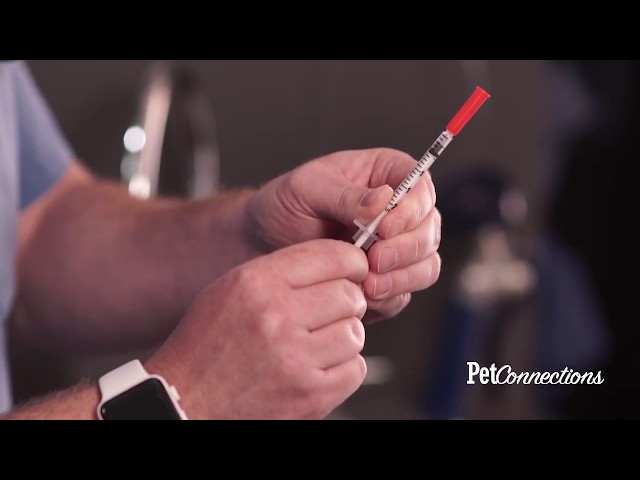
Tip 2: Draw up the insulin into a syringe according to your veterinarian’s instructions.
Tip 3: Inject the insulin into the subcutaneous tissue under your pet’s skin.
Tip 4: Monitor your pet’s blood glucose levels regularly and adjust the insulin dose as needed.
Tip 5: Never skip a dose of insulin.
Frequently Asked Questions About Using Human Insulin to Treat Diabetes in Cats and Dogs
Here are some frequently asked questions about using human insulin to treat diabetes in cats and dogs:
Q: Can I use human insulin to treat diabetes in my cat or dog?
A: Yes, you can use human insulin to treat diabetes in your cat or dog, but it is important to talk to your veterinarian first.
Q: What is the correct dose of insulin for my pet?
A: The correct dose of insulin for your pet will depend on their weight, age, and overall health. Your veterinarian will be able to help you determine the correct dose.
Q: How often should I inject my pet with insulin?
A: The frequency of insulin injections will depend on the type of insulin you are using and your pet’s individual needs. Your veterinarian will be able to provide you with instructions on how often to inject your pet.
Q: What are the side effects of using human insulin in cats and dogs?
A: The most common side effect of using human insulin in cats and dogs is hypoglycemia (low blood sugar). Other potential side effects include weight gain, increased thirst, and increased urination.
Q: What should I do if my pet experiences side effects from human insulin?
A: If your pet experiences any side effects from human insulin, it is important to contact your veterinarian immediately.
Using human insulin to treat diabetes in cats and dogs can be a safe and effective way to manage the condition. However, it is important to talk to your veterinarian before starting your pet on insulin therapy and to follow their instructions carefully.
Youtube Video: