Camilla Pena
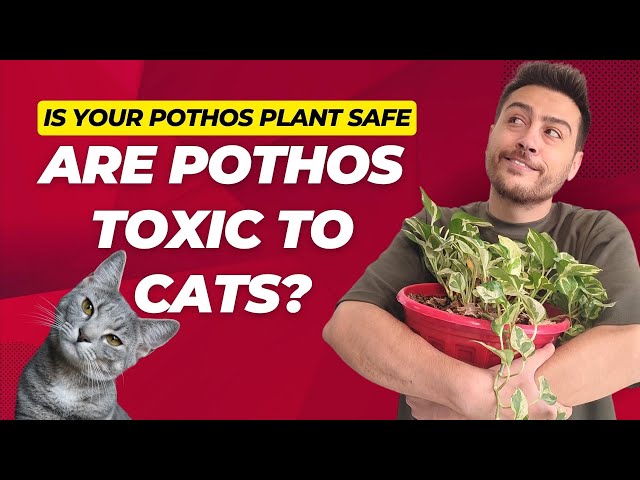
 Pothos, a popular houseplant, can be toxic to cats if ingested. The plant contains a chemical called calcium oxalate, which can cause irritation to the mouth, esophagus, and stomach. In severe cases, it can lead to vomiting, diarrhea, and difficulty breathing. If you suspect your cat has ingested pothos, it is important to contact your veterinarian immediately.
There are a number of other plants that are also toxic to cats, including lilies, tulips, and daffodils. It is important to be aware of these plants and to keep them out of reach of your cat. If you are unsure whether a plant is toxic to cats, it is best to err on the side of caution and keep it out of reach.
If you have a cat, it is important to provide them with a safe and healthy environment. This includes keeping toxic plants out of reach and providing them with plenty of toys and enrichment activities. By taking these steps, you can help your cat live a long and healthy life.
Is Pothos Toxic to Cats?
Pothos, a common houseplant, can be toxic to cats if ingested. The plant contains a chemical called calcium oxalate, which can cause irritation to the mouth, esophagus, and stomach. In severe cases, it can lead to vomiting, diarrhea, and difficulty breathing.
- Toxicity: Pothos is toxic to cats due to the presence of calcium oxalate.
- Symptoms: Ingestion of pothos can cause a range of symptoms in cats, including vomiting, diarrhea, and difficulty breathing.
- Treatment: If you suspect your cat has ingested pothos, it is important to contact your veterinarian immediately. Treatment will depend on the severity of the symptoms.
- Prevention: The best way to prevent pothos poisoning in cats is to keep the plant out of their reach.
- Alternatives: There are a number of non-toxic plants that are safe for cats, such as spider plants and ferns.
- Education: It is important to educate yourself about the plants that are toxic to cats and to take steps to keep your cat safe.
Pothos poisoning is a serious condition, but it can be prevented by taking the necessary precautions. By keeping pothos plants out of reach of your cat and providing them with safe alternatives, you can help to keep your cat healthy and happy.
Toxicity
The toxicity of pothos to cats is directly related to the presence of calcium oxalate in the plant. Calcium oxalate is a needle-shaped crystal that can cause irritation and inflammation to the mouth, esophagus, and stomach of cats if ingested. In severe cases, it can lead to vomiting, diarrhea, and difficulty breathing.
The amount of calcium oxalate in pothos varies depending on the species of plant and the growing conditions. However, all parts of the plant are considered to be toxic to cats, so it is important to keep the plant out of reach of your pet.
If you suspect your cat has ingested pothos, it is important to contact your veterinarian immediately. Treatment will depend on the severity of the symptoms, but may include inducing vomiting, administering activated charcoal to absorb the toxin, and providing supportive care.
Preventing pothos poisoning in cats is the best way to protect your pet. Keep pothos plants out of reach of your cat, and provide them with safe alternatives, such as spider plants or ferns.
Symptoms
As previously mentioned, pothos is toxic to cats due to the presence of calcium oxalate. When ingested, the calcium oxalate crystals can cause irritation and inflammation to the mouth, esophagus, and stomach. This can lead to a range of symptoms, including vomiting, diarrhea, and difficulty breathing. In severe cases, pothos poisoning can be fatal.
It is important to be aware of the symptoms of pothos poisoning in cats so that you can seek veterinary attention immediately if your cat ingests the plant. Early treatment can help to improve the chances of a full recovery.
If you suspect your cat has ingested pothos, call your veterinarian immediately. Treatment will depend on the severity of the symptoms, but may include inducing vomiting, administering activated charcoal to absorb the toxin, and providing supportive care.
Preventing pothos poisoning in cats is the best way to protect your pet. Keep pothos plants out of reach of your cat, and provide them with safe alternatives, such as spider plants or ferns.
Treatment
The connection between “Treatment: If you suspect your cat has ingested pothos, it is important to contact your veterinarian immediately. Treatment will depend on the severity of the symptoms.” and “is pothos toxic to cats” is that pothos is a toxic plant to cats, and ingestion of the plant can cause a range of symptoms, including vomiting, diarrhea, and difficulty breathing. In severe cases, pothos poisoning can be fatal.
It is important to be aware of the symptoms of pothos poisoning in cats so that you can seek veterinary attention immediately if your cat ingests the plant. Early treatment can help to improve the chances of a full recovery.
If you suspect your cat has ingested pothos, call your veterinarian immediately. Treatment will depend on the severity of the symptoms, but may include inducing vomiting, administering activated charcoal to absorb the toxin, and providing supportive care.
Preventing pothos poisoning in cats is the best way to protect your pet. Keep pothos plants out of reach of your cat, and provide them with safe alternatives, such as spider plants or ferns.
Prevention
Pothos is a toxic plant to cats, and ingestion of the plant can cause a range of symptoms, including vomiting, diarrhea, and difficulty breathing. In severe cases, pothos poisoning can be fatal.
- Keep pothos plants out of reach: The most effective way to prevent pothos poisoning in cats is to keep the plant out of their reach. This means placing the plant on a high shelf or in a room that your cat cannot access.
- Provide safe alternatives: If you have a cat, it is important to provide them with safe alternatives to pothos plants. Some non-toxic plants that are safe for cats include spider plants, ferns, and cat grass.
- Educate yourself and others: It is important to educate yourself and others about the plants that are toxic to cats. This will help you to keep your cat safe and prevent accidental poisoning.
Preventing pothos poisoning in cats is the best way to protect your pet. By taking the necessary precautions, you can help to keep your cat healthy and happy.
Alternatives
The connection between “Alternatives: There are a number of non-toxic plants that are safe for cats, such as spider plants and ferns.” and “is pothos toxic to cats” is that pothos is a toxic plant to cats, and it is important to provide cats with safe alternatives to prevent accidental poisoning.
- Providing Safe Options: Providing non-toxic plants to cats gives them a safe and healthy alternative to satisfy their natural chewing and foraging instincts, while minimizing the risk of poisoning.
- Variety and Enrichment: Non-toxic plants offer variety and enrichment to a cat’s environment, promoting their physical and mental well-being.
- Prevention of Poisoning: By providing safe alternatives, cat owners can proactively prevent accidental poisoning caused by cats ingesting toxic plants like pothos.
- Peace of Mind: Having non-toxic plants around can give cat owners peace of mind, knowing that their feline companions are safe from potential poisoning.
In conclusion, providing cats with safe alternatives to toxic plants like pothos is crucial for their health and well-being. Non-toxic plants offer a safe and enriching environment, while minimizing the risk of accidental poisoning.
Education
Understanding that pothos is toxic to cats is a crucial aspect of cat ownership and directly relates to the importance of education about toxic plants for cat safety. Educating oneself about toxic plants empowers cat owners to make informed decisions about their cat’s environment and prevent potential poisoning incidents.
By learning about toxic plants like pothos, cat owners can identify and remove these plants from their homes, effectively eliminating the risk of accidental ingestion. This proactive approach not only safeguards the cat’s health but also provides peace of mind to the owner.
Furthermore, education about toxic plants extends beyond mere identification. It involves understanding the symptoms of poisoning, knowing when to seek veterinary attention, and implementing preventive measures such as keeping toxic plants out of reach. This comprehensive knowledge equips cat owners to respond appropriately in case of an emergency, potentially saving their cat’s life.
In summary, education about plants toxic to cats, including pothos, is an indispensable part of responsible cat ownership. It empowers cat owners to create a safe environment for their feline companions, prevent poisoning incidents, and provide timely medical attention when necessary.
FAQs about Pothos Toxicity in Cats
This section addresses frequently asked questions about the toxicity of pothos to cats, providing concise and informative answers to common concerns and misconceptions.
Question 1: Are all pothos plants toxic to cats?
Yes, all varieties of pothos plants contain calcium oxalate crystals, which are toxic to cats if ingested.
Question 2: What are the symptoms of pothos poisoning in cats?
Symptoms of pothos poisoning in cats can include vomiting, diarrhea, excessive drooling, difficulty swallowing, and lethargy. In severe cases, it can lead to respiratory distress and even death.
Question 3: What should I do if my cat ingests pothos?
If you suspect your cat has ingested pothos, contact your veterinarian immediately. Do not induce vomiting or give your cat any home remedies. Early veterinary intervention is crucial for the best chance of recovery.
Question 4: How can I prevent my cat from ingesting pothos?
The most effective way to prevent pothos poisoning is to keep pothos plants out of reach of your cat. Place plants on high shelves or in rooms that your cat cannot access. You can also provide your cat with safe alternatives, such as cat grass or non-toxic plants.
Question 5: Is there a cure for pothos poisoning in cats?
There is no specific antidote for pothos poisoning in cats. Treatment is supportive and aims to manage the symptoms and prevent complications.
Question 6: Can pothos poisoning be fatal to cats?
Yes, in severe cases, pothos poisoning can be fatal to cats. However, with prompt veterinary attention and supportive care, most cats can make a full recovery.
Summary: Pothos plants are toxic to cats due to the presence of calcium oxalate crystals. If ingested, pothos can cause a range of symptoms, including vomiting and diarrhea. In severe cases, it can be fatal. It is important to keep pothos plants out of reach of cats and to seek immediate veterinary attention if you suspect your cat has ingested pothos.
Transition to the next article section:
Tips to Prevent Pothos Poisoning in Cats
Pothos plants are a common household plant, but they can be toxic to cats if ingested. The plant contains calcium oxalate crystals, which can cause irritation to the mouth, esophagus, and stomach. In severe cases, it can lead to vomiting, diarrhea, and difficulty breathing.
To prevent pothos poisoning in cats, it is important to take the following precautions:
Tip 1: Keep Pothos Plants Out of Reach
The most effective way to prevent pothos poisoning is to keep pothos plants out of reach of your cat. Place plants on high shelves or in rooms that your cat cannot access.
Tip 2: Provide Safe Alternatives
If you have a cat, it is important to provide them with safe alternatives to pothos plants. Some non-toxic plants that are safe for cats include spider plants, ferns, and cat grass.
Tip 3: Educate Yourself and Others
It is important to educate yourself and others about the plants that are toxic to cats. This will help you to keep your cat safe and prevent accidental poisoning.
Tip 4: Supervise Your Cat
If you have a cat that is particularly curious or playful, it is important to supervise them when they are around plants. This will help to prevent them from ingesting any toxic plants.
Tip 5: Be Aware of the Symptoms
It is important to be aware of the symptoms of pothos poisoning in cats. These symptoms include vomiting, diarrhea, excessive drooling, difficulty swallowing, and lethargy. If you suspect your cat has ingested pothos, contact your veterinarian immediately.
Summary: Pothos plants are toxic to cats, and it is important to take precautions to prevent accidental poisoning. By following these tips, you can help to keep your cat safe and healthy.
Transition to the article’s conclusion:
Conclusion
Pothos, a common houseplant, poses a significant risk to cats due to its toxicity. The plant contains calcium oxalate crystals, which can cause irritation and inflammation in the mouth, esophagus, and stomach of cats. Ingestion of pothos can lead to a range of symptoms, including vomiting, diarrhea, and difficulty breathing. In severe cases, pothos poisoning can be fatal.
It is crucial for cat owners to be aware of the dangers of pothos and to take steps to prevent their cats from ingesting the plant. These steps include keeping pothos plants out of reach, providing safe alternatives, educating oneself and others about toxic plants, and being aware of the symptoms of pothos poisoning. By taking these precautions, cat owners can help to keep their feline companions safe and healthy.
Youtube Video: